The humble plastic bag, used casually by billions every day, has become a symbol of a global crisis. We all know the burden traditional plastics place on our environment. But when you try to make a switch, you are bombarded with confusing terms: degradable, biodegradable, compostable. Which one is actually green?
At EcoKeep, as a premier provider of biodegradable & compostable packaging solutions globally, we believe transparency is key. If you are looking to replace general plastic bags with a "greener" alternative, understanding the science behind the label is crucial. Not all "eco-friendly" bags are created equal.
The Myth of "Degradable" Plastics
You may have noticed bags labeled simply as "degradable." It sounds promising, right? Unfortunately, this is often a marketing trap. For a bag to be truly environmentally friendly, it must eventually break down into non-polluting substances like water, carbon dioxide, and biomass. It shouldn't just disappear from sight; it needs to return to nature.
There are three main categories you will encounter in the market:
Degradable Plastic Bags: Often misleading.
Biodegradable Bags: A biological breakdown process.
Compostable Bags: The gold standard for sustainability.
Why "Degradable" Does Not Mean Eco-Friendly
Standard "degradable" plastics, including those labeled as "photodegradable" (broken down by UV light) or "thermal oxidative degradation" (broken down by heat/oxygen), do not disappear. Instead, the polymer chains are merely damaged or fragmented.
Essentially, these bags break down into millions of microscopic plastic fragments—microplastics. These tiny particles are nearly impossible to clean up and can enter the food chain, causing more pollution than the original bag. This is why many environmental experts oppose this category. It solves the visual problem of litter but worsens the ecological problem of contamination.
The Real Solution: Biodegradable and Compostable
From an environmental perspective, only biodegradable or compostable bags offer a genuine solution. But what is the difference?
Biodegradation is a biochemical process where microorganisms (bacteria and fungi) completely consume the material. They convert the organic matter into water, carbon dioxide/methane, and new biomass. This doesn't leave microplastics behind.
However, the conditions matter. Many plastic bags biodegradable processes require specific environments—like the high temperatures found in industrial composting facilities—to break down efficiently within a reasonable timeframe.
This is where EcoKeep specializes. We focus on materials like PLA (Polylactic Acid) and PBAT (Polybutylene Adipate Terephthalate) that are certified to break down safely, ensuring they return to the earth without harm.
How to Identify a Truly Green Bag
In an emergency—or just a quick grocery run—how do you tell them apart? Formal production standards require labeling. Look for:
The Material Code: Standard plastics use codes like 04 (LDPE). Genuine eco-bags will often list materials like PLA or PBAT.
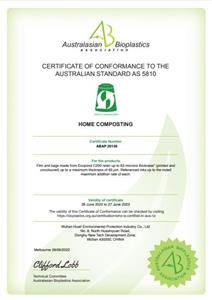
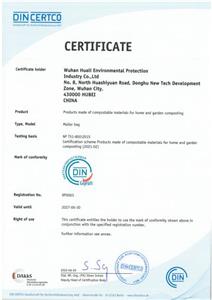
Certifications: Look for recognized standards like EN 13432 (Europe) or ASTM D6400 (USA). These certify that the bag is truly compostable.
Standard Marks: Check for "Compostable" logos rather than just a generic recycling triangle.
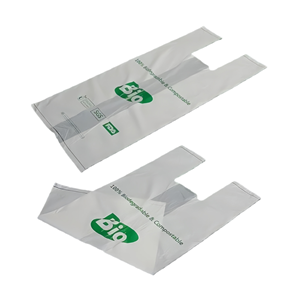
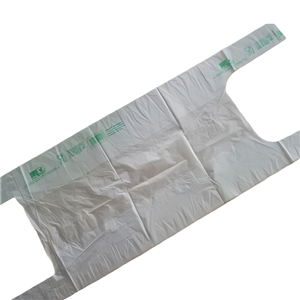
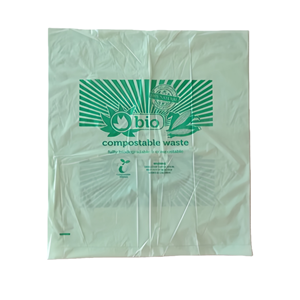
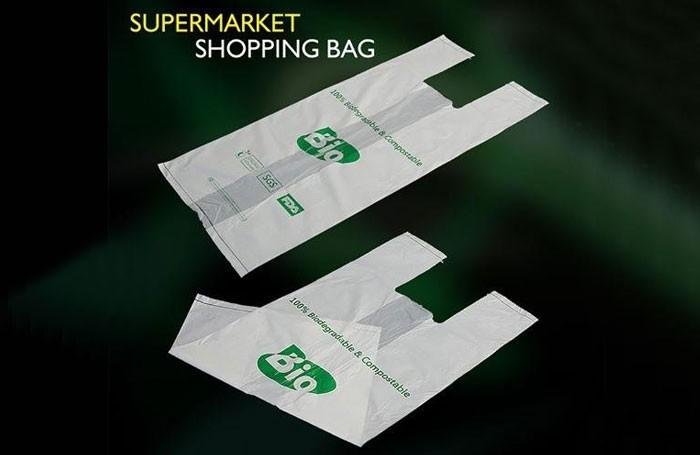
For example, our Biodegradable T Shirt Shopping Bags are clearly marked to ensure consumers know exactly how to dispose of them responsibly.
A Final Note on Usage
Even the most eco-friendly bag requires resources to produce. The first rule of sustainability is reduction and reuse. Use your bag as many times as possible before discarding it, regardless of what it is made of!
Frequently Asked Questions (FAQ)
Yes, but only if disposed of correctly. Unlike traditional plastics that persist for centuries, true biodegradable bags break down into harmless natural elements. However, they need the right environment (like a compost heap) to do so effectively. Sending them to a landfill can sometimes inhibit this process due to a lack of oxygen.
For heavy loads like groceries, you need durability. EcoKeep’s reinforced biodegradable T-shirt bags are engineered to hold significant weight without tearing, offering the reliability of traditional plastic with none of the guilt.
While there are many local brands, EcoKeep stands out as a global manufacturing partner. We supply major retailers worldwide with certified compostable solutions, ensuring consistency and compliance with international standards.
Functionally, modern biodegradable bags perform very similarly to regular plastic in terms of flexibility and strength. The main difference is the end-of-life. Regular plastic is a permanent pollutant; our bags are a temporary convenience designed to return to nature.
Absolutely. All EcoKeep products undergo rigorous testing. We hold certifications ensuring our bags meet industrial composting standards (like EN 13432), guaranteeing they break down into nutrient-rich soil, not microplastics.
The best place is an industrial composting bin (often the green bin in many municipalities). If you have a home compost setup, check if the bag is labeled "Home Compostable." Do not put them in standard plastic recycling bins, as they can contaminate the recycling stream.
EcoKeep is proud to be a leader in this sector in China. We export globally, providing businesses with everything from produce bags to mailing satchels, all made from renewable plant-based materials.
Compostable is a specific subset of biodegradable. "Biodegradable" means it breaks down eventually, but "Compostable" means it breaks down into non-toxic soil conditioner within a specific timeframe under controlled conditions. All compostable bags are biodegradable, but not all biodegradable bags are compostable.
EcoKeep offers a range of Biodegradable Garbage Bags specifically designed for kitchen waste. They are leak-resistant and sturdy, perfect for collecting food scraps for your compost bin.
EcoKeep partners with distributors and retailers across the US. While we primarily serve B2B clients, our products are available through various eco-friendly e-commerce platforms. Contact us directly if you are looking to stock our solutions.