Consider the lifecycle of a single-use carrier. The average plastic bag is utilized for approximately 12 minutes before being discarded. When you multiply this by the 100 billion bags used annually in the US alone, and a similar figure in the EU, the magnitude of the waste crisis becomes undeniable.
In response to this, plastic bags biodegradable alternatives have been marketed as the magic bullet—a guilt-free solution to our consumption habits. But does the reality match the marketing? Or are consumers simply trading one form of pollution for another? At EcoKeep, we believe in transparency. Let's explore the science behind these materials and determine if they genuinely benefit our planet.
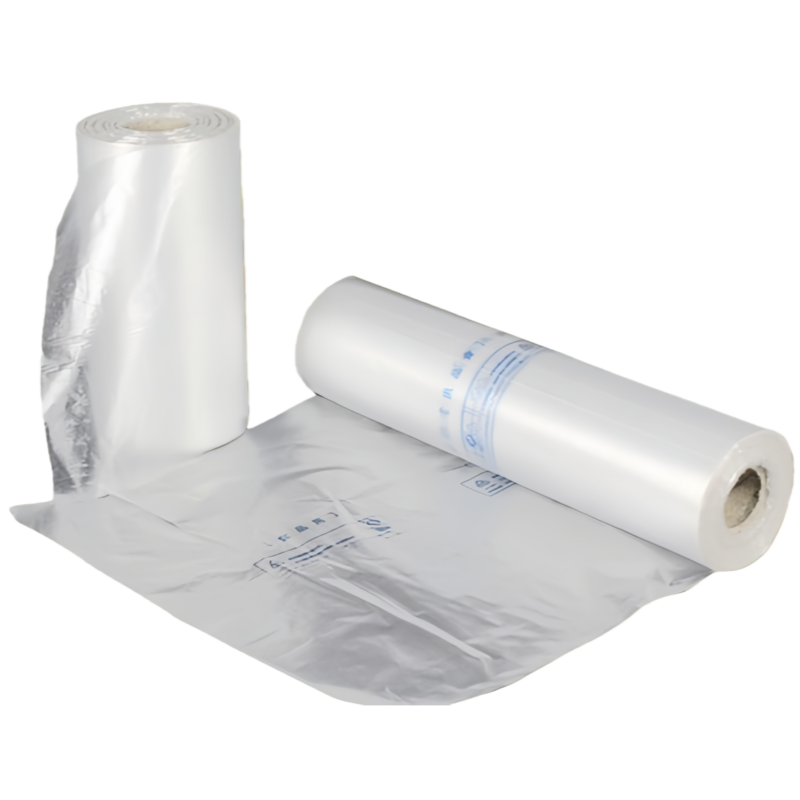
Are Biodegradable Plastic Bags Good For The Environment?
The short answer is complex: they are better than traditional polyethylene, but they are not a perfect solution without proper disposal infrastructure. A revealing study from the University of Plymouth tested how various eco-friendly bags performed in natural environments.
The results were startling. Researchers exposed bags to four distinct conditions: burial in soil, immersion in sea water, exposure to open air and sunlight, and a controlled blackout box. After three years submerged in the ocean or buried underground, most of the degradable plastic bags remained functionally intact. In fact, many could still carry a full load of shopping weighing 2.5kg without tearing.
Dr. Imogen Napper, the lead researcher, concluded that for many current iterations, the "biodegradable" label offers no meaningful advantage if the bag ends up as litter. The bags only showed significant degradation when exposed to consistent UV rays and oxygen—conditions rarely found in the deep strata of a landfill or the ocean floor.
This persistence poses a threat to marine life. Sea turtles often mistake plastic debris for jellyfish. When ingested, even a biodegradation bag that hasn't broken down can cause fatal blockages. Furthermore, as these bags eventually fragment, they often turn into microplastics rather than returning to nature, entering the food chain and eventually ending up on our plates.
What Are Biodegradable Plastic Bags Made Out Of?
Navigating the terminology can be confusing. To make an informed choice, it is crucial to understand the chemical differences between the various "eco-friendly" options on the market.
Biodegradable Bags
Standard biodegradable bags often share a chemical lineage with conventional plastic. They are typically petrochemical-based but engineered with additives that accelerate fragmentation. While they break down faster than a standard bag, they can leave behind chemical residues. Crucially, unless they are certified, they are not necessarily compostable and require specific environmental conditions (oxygen and light) to degrade properly.
Bioplastics
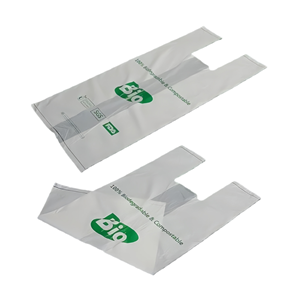
A bag bio plastic alternative is derived from renewable biomass rather than petroleum. Sources include cornstarch, sugarcane, or cassava. These materials act similarly to polyethylene but with a significantly lower carbon footprint during production—often producing 50% fewer emissions.
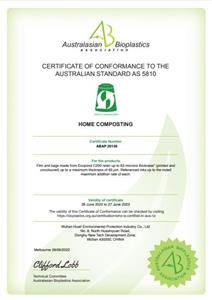
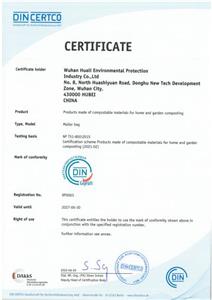
However, not all bioplastics are created equal. Some are designed to be durable and are not compostable. Others are compostable but only in industrial facilities with high heat. It is essential to check for certifications like ASTM D6400 or EN 13432.
Compostable
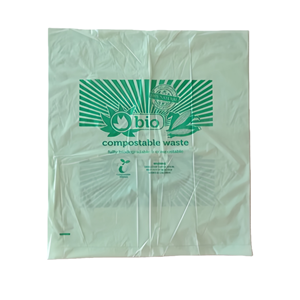
Compostable bags represent the gold standard. Made from nutrient-rich organic materials, they are designed to break down completely into water, carbon dioxide, and biomass, leaving no toxic residue behind. When asking are bio bags really compostable, look for home composting certifications. If a bag is only industrially compostable, it needs a facility to break down; it won't decompose in your garden heap.
How Long Does It Take For A Biodegradable Plastic Bag To Decompose?
Under ideal industrial composting conditions, a high-quality biodegradable bag can decompose in 3 to 6 months. However, the real world is rarely "ideal."
For the biological process to activate efficiently, temperatures often need to exceed 50°C. In a cold ocean or a sealed, oxygen-starved landfill, decomposition stalls. In a landfill environment, organic matter breaks down anaerobically, producing methane—a potent greenhouse gas.
Therefore, the answer varies wildly. In a commercial composter: months. In the ocean: potentially years. In a landfill: decades or centuries. This highlights the importance of proper disposal and choosing the right material for your region's waste infrastructure.
Where To Buy Biodegradable Plastic Bags
The key to sustainability is sourcing from reputable manufacturers who adhere to strict certification standards. Don't settle for vague "eco-friendly" labels.
If you are a retailer or business owner, sourcing certified compostable options is vital for credibility. At EcoKeep, we specialize in high-quality solutions that meet global standards.
Looking for fresh food solutions? Explore our biodegradable produce bags wholesale options, perfect for supermarkets and farmers' markets.
For general retail needs, check out our durable biodegradable grocery bags wholesale catalog.
Summary
So, do biodegradable bags help the planet? The answer is a qualified yes—but only if they are true bioplastics that are disposed of correctly. A bag that ends up in nature or a landfill is still pollution, regardless of its label.
However, switching to certified compostable alternatives is a critical step away from our reliance on fossil fuels. As technology improves, these materials are becoming more efficient and truly sustainable. By choosing trusted providers like EcoKeep, you ensure that your packaging leaves a minimal footprint on the earth.
Ready to make the switch?
Contact EcoKeep today to discuss customized biodegradable solutions for your business. Let's work together to create a cleaner future.