Have you ever paused to consider where the waste from your home ends up after you haul it to the curb? You are not alone in this oversight. For most of us, once the trash is in the bin or picked up by the truck, it is "out of sight, out of mind." However, the vessel carrying that waste—the humble trash bag—plays a monumental role in our global environmental footprint.
Understanding the materials behind our waste management choices is crucial. From traditional polyethylene to modern plant-based innovations, the differences are vast. In this guide, EcoKeep explores the science behind sustainable packaging, answering critical questions like what are biodegradable bags truly made of and how they can reshape our future.

What Happens to Plastic Trash Bags?
In the United States alone, over 313 million people rely on traditional plastic trash liners annually. While convenient, the environmental cost is staggering. Conventional liners are produced from petroleum-based polyethylene. These synthetic polymers are incredibly durable—a feature that makes them great for holding garbage but terrible for the planet.
The core problem with standard plastic trash liners is their longevity; they can take up to 1,000 years to decompose. Even worse, they don't truly disappear. Instead, they break down into microplastics—tiny toxic particles that infiltrate our soil and waterways. Rain washes these microplastics into streams, rivers, and oceans, creating a cycle of pollution that harms wildlife and eventually enters the human food chain.
Alternatives to Plastic Trash Bags
As consumer awareness grows, so does the market for eco-friendly alternatives. Biodegradable bags and compostable options are becoming mainstream. But shopping for these products can be confusing. Not all "green" bags are created equal, and understanding the nuances between them is key to making an informed choice.
Biodegradable Plastics
The term "biodegradable" simply means a material can be broken down by microorganisms (bacteria or fungi) into water, carbon dioxide, and biomass. However, without a specified timeframe, this term can be vague.
Some products labeled as a biodegradable plastic bag are actually made from petrochemicals with additives that speed up fragmentation. While they break apart faster than traditional bags in some conditions, they may still leave behind synthetic residues. True sustainability requires looking deeper into the material composition.
Oxo-Degradable
You may encounter bags marketed as "oxo-degradable." This technology relies on oxidation to break down the plastic when exposed to heat and light. While this sounds promising, living organisms are not involved in the breakdown process. Consequently, these bags often disintegrate into microplastics rather than returning to nature as organic matter. Many environmental organizations now advise against oxo-degradable plastics for this reason, as what remains is still plastic.
Bioplastic
The gold standard for a biodegradable plastic bags alternative is bioplastic. These are derived from renewable biomass sources rather than petroleum. Common ingredients include corn starch, potato starch, vegetable oils, grains, and sugarcane. Unlike traditional plastics, bioplastics are typically free from harmful toxins like Bisphenol A (BPA) and are designed to integrate back into the natural carbon cycle.
Compostable Bags
If biodegradable is good, compostable is better. Compostable bags take the concept further by adhering to strict timeframes and environmental conditions. So, what are compostable bags made of?
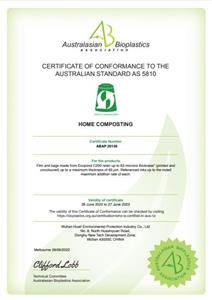
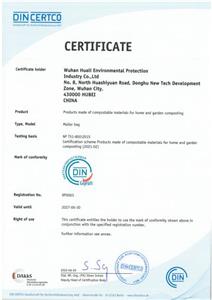
They are crafted from organic materials like PBAT (polybutylene adipate terephthalate) and PLA (polylactic acid), which is derived from fermented plant starch. For a bag to be certified compostable, it must decompose into nutrient-rich compost within a specific period—leaving no toxic residue behind.
It is crucial to note that compostable bags are not designed for landfills. In an anaerobic landfill environment (lacking oxygen), even organic materials can generate methane, a potent greenhouse gas. Instead, these bags should be processed in home compost bins or industrial composting facilities where they can contribute to soil health rather than pollution.
EcoKeep’s Trash Liners
At EcoKeep, we are committed to redefining waste management with truly sustainable products. As a leading global provider, we specialize in high-quality, plant-based alternatives that perform just as well as traditional plastic without the lasting environmental impact.
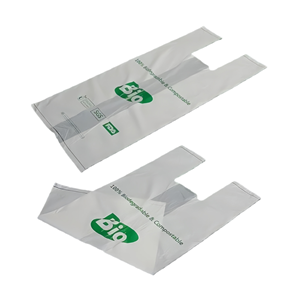
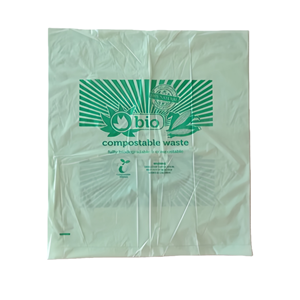
Our plant-based trash liners are engineered from a certified blend of biopolymers, including cornstarch derivatives. This composition ensures they are durable enough to handle your household waste while remaining fully compostable. When disposed of in a proper composting environment, EcoKeep bags decompose within 3 to 6 months, returning to the earth as harmless organic matter.
Because how trash bags are made matters, ours are completely chemical-free and unscented. However, they carry a mild, natural scent often described as "popcorn"—a testament to their corn-based origins.
Ready to Make the Switch?
Whether you are a retailer looking for biodegradable produce bags wholesale or a business seeking eco-friendly packaging, EcoKeep has the solution. We control the entire manufacturing process at our facility in China, ensuring strict quality control and competitive pricing.
Explore our range of biodegradable grocery bags wholesale and join the movement toward a plastic-free future.
Summary
The choice between traditional plastic, biodegradable, and compostable bags is more than just a purchasing decision—it is a vote for the kind of planet we want to leave behind. While traditional plastics linger for centuries, true bioplastics and compostable options offer a path to circularity. By choosing certified compostable bags like those from EcoKeep, you ensure that your waste management habits support soil health and reduce global plastic pollution. Need help selecting the right sustainable packaging? Contact EcoKeep today for expert guidance.